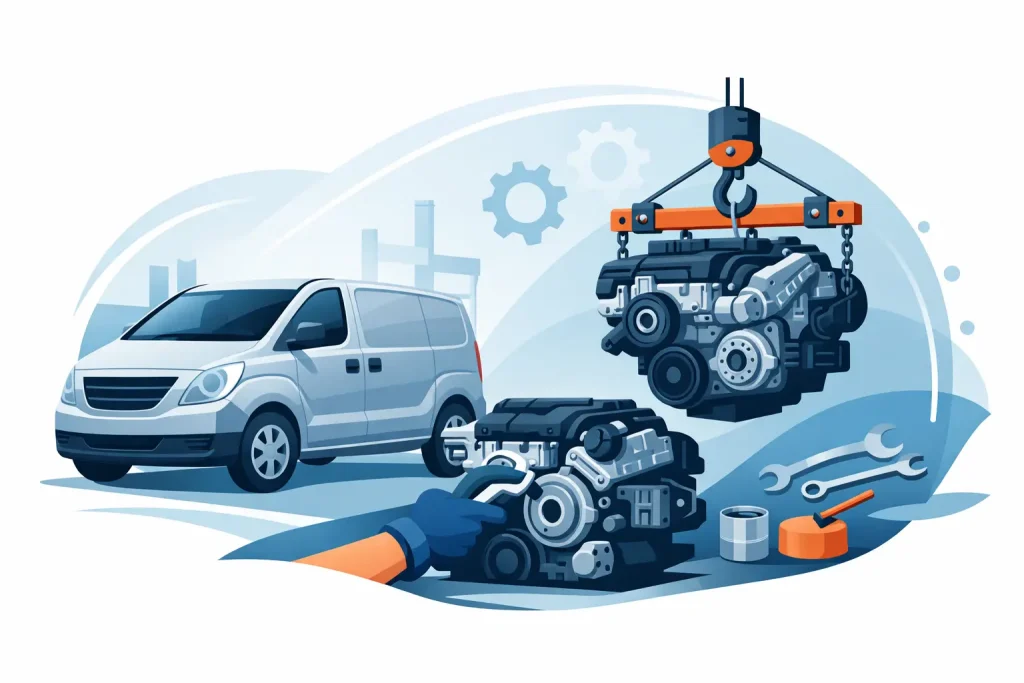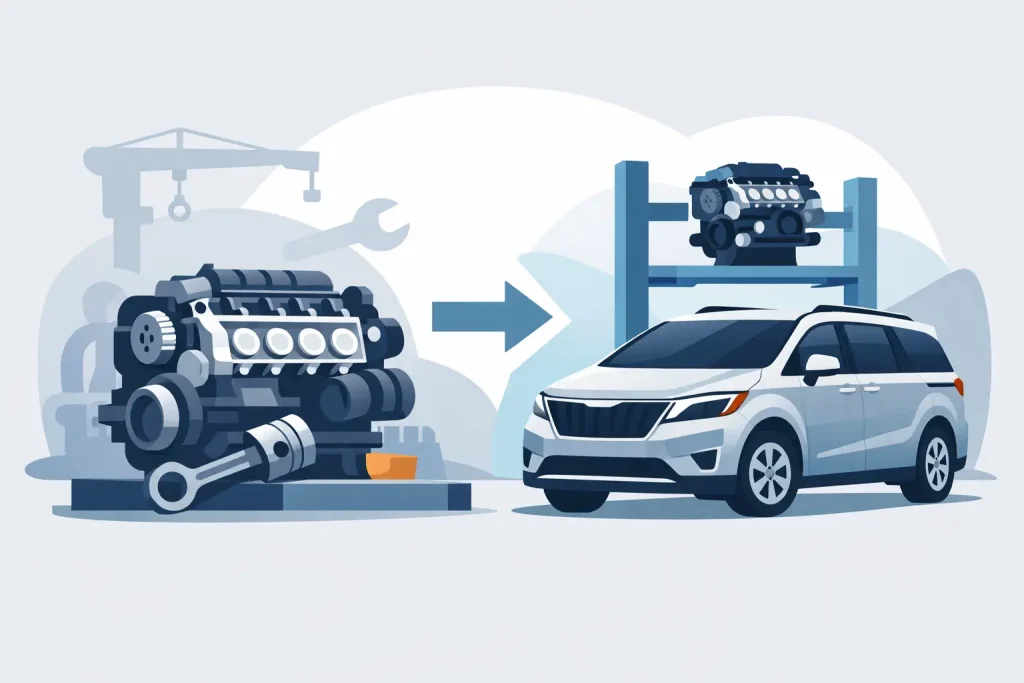
When a Kia Carnival starts knocking, chewing through oil, overheating, or losing compression, most owners ask the same question – is a Kia Carnival engine rebuild worth it, or is it smarter to replace the engine altogether? The right answer depends on the extent of the damage, the engine variant, your budget, and how long you plan to keep the vehicle.
For many Melbourne families, the Carnival is not a spare car. It is the school run, the weekend trip, the airport run, and the people mover that has to keep turning up. That is why engine advice needs to be clear. No guesswork, no vague promises, and no pushing a rebuild when the block or head is already beyond sensible repair.
When a Kia Carnival engine rebuild makes sense
A rebuild can be the right path when the core engine is still salvageable and the problem is largely internal wear rather than catastrophic breakage. That often includes worn piston rings, bearing wear, cylinder head issues, valvetrain damage, oil consumption, or compression loss that has developed over time.
If the crankshaft is serviceable, the block can be machined within tolerance, and the head is repairable, a rebuild can restore reliability without changing the entire engine assembly. For owners who know the vehicle history and want to keep the car, rebuilding the original engine can be a practical option.
It also suits customers who want a more controlled repair process. Rather than fitting an unknown second-hand engine, a rebuild lets the workshop inspect, measure, machine, and replace the failed components properly. That matters on a vehicle like the Carnival, where long-term family use usually matters more than the cheapest short-term fix.
When replacement is the better option
Not every failed Carnival engine should be rebuilt. If the engine has thrown a rod, badly overheated, cracked the block, spun multiple bearings, or suffered major contamination through the oiling system, rebuilding may stop making financial sense very quickly.
The same applies when machining costs stack up or when critical parts are difficult to source at a realistic price. In those cases, a tested reconditioned or quality replacement engine can be the more efficient solution. It often reduces downtime and avoids pouring money into an engine core that is already too far gone.
This is where specialist diagnosis matters. A general workshop might say the engine is “gone” without going much further. A Hyundai and Kia engine specialist will usually be able to tell whether the problem is isolated, rebuildable, or better handled with a full engine swap.
Common reasons Kia Carnival engines end up needing major work
The Carnival has been sold with different petrol and diesel engines over the years, and the faults are not always the same across every model. Even so, a few patterns come up regularly.
Oil starvation is one of the big ones. Once an engine runs low on oil pressure, bearing damage can happen fast. By the time the knock is obvious, the crank, rods, and sometimes the turbo on diesel models may already be affected.
Overheating is another common cause of major damage. A failed water pump, coolant loss, blocked cooling system, or head gasket issue can escalate into warped heads and bottom-end damage if the vehicle keeps being driven.
Timing-related faults also matter. Depending on the engine, chain or belt issues can lead to poor running, internal contact, and expensive valvetrain repairs. Sometimes the rebuild itself is driven by the damage caused after a timing failure, not just the timing components alone.
Then there is plain wear. High kilometre family vehicles often spend years in stop-start traffic, short trips, and heavy loads. Over time, rings wear, valve stem seals harden, compression drops, and oil use increases. That sort of failure is usually less dramatic, but it still points to a major decision.
What happens during a Kia Carnival engine rebuild
A proper Kia Carnival engine rebuild starts well before any parts are ordered. The engine needs to be tested and stripped so the workshop can see exactly what failed and what is still usable. There is no honest way to quote a true rebuild from noise alone.
Once the engine is removed and dismantled, the block, crankshaft, cylinder head, pistons, bearings, and oiling components are inspected. Measurements matter here. If the cylinders are out of tolerance, they may need boring or honing. If the crank is marked, it may need machining or replacement. If the head is warped or cracked, that changes the job immediately.
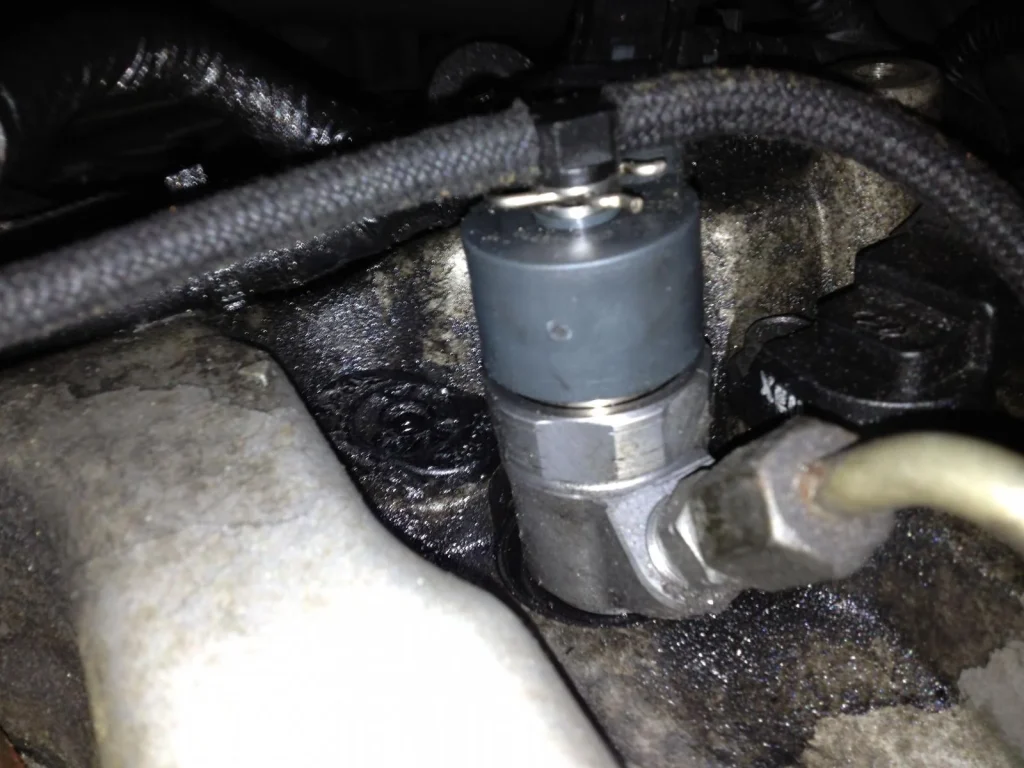
From there, the rebuild plan becomes clearer. Depending on condition, the job may include new rings, bearings, gaskets, seals, timing components, oil pump-related parts, head work, and machining. On diesel engines, injectors, turbo condition, and fuel system contamination may also need attention. Skipping those checks can leave the rebuilt engine exposed to the same failure all over again.
Reassembly is only part of the process. The engine then needs correct installation, fresh fluids, careful startup procedures, and post-fitment checks. If the rebuild is done properly, it is not just about putting the engine back together. It is about making sure the cause of failure has been addressed as well.
Rebuild versus replacement – what owners should weigh up
Cost matters, but it should not be the only factor. A cheap answer that fails six months later is not really cheaper. The better question is value – what gives you a reliable result without wasting money on the wrong repair path.
A rebuild often makes sense when the original engine is rebuildable, the rest of the vehicle is in good condition, and you want confidence in what is inside the engine. You are paying for labour, machining, parts, and careful inspection, but you are also reducing some of the uncertainty that comes with an unknown used engine.
A replacement engine can be better when speed matters, the old engine is severely damaged, or a quality reconditioned unit is available at a sensible price. In some cases, replacement is actually the cleaner and more economical fix.
It also depends on how you use the vehicle. If your Carnival is a long-term family car and the body, transmission, and interior are still sound, major engine work can be worthwhile. If the vehicle has multiple expensive issues at once, that calculation changes.
Why specialist diagnosis matters on Hyundai and Kia engines
Kia and Hyundai engines have their own common failure patterns, service quirks, and parts considerations. That is why brand-specific experience counts. A specialist workshop is more likely to recognise whether the noise points to big-end bearing damage, timing issues, head problems, or something external that only sounds like engine failure.
That experience also helps with parts selection and knowing when a rebuild is likely to hold up well versus when replacement is the smarter call. For owners, that usually means less confusion and fewer expensive wrong turns.
At Hyun Engines, this is exactly where specialist workshop knowledge helps. Diagnosis, engine supply, rebuilds, and installation all sit under the same roof, which makes it easier to give straight answers based on the actual condition of the engine rather than guesswork.
What to ask before approving the job
If you are facing a major engine decision, ask what failed, what damage has been confirmed, and whether the quoted repair includes finding the root cause. Ask whether machining is required, whether the head and block are serviceable, and what parts are being replaced as part of the rebuild.
You should also ask about warranty, installation, and whether the workshop handles the full job from removal to testing. If one business diagnoses it, another sources the engine, and a third installs it, accountability can get messy very quickly.
Most importantly, ask whether rebuilding is being recommended because it is genuinely the best option, or simply because no one has properly assessed the alternatives.
A Kia Carnival engine problem is rarely a small decision, but it does not have to be a confusing one. The right workshop should be able to tell you, in plain language, whether your engine is worth rebuilding, whether replacement is the better move, and what that means for reliability, downtime, and cost. Clear advice. Straight answers. That is what gets families back on the road with confidence.
Frequently Asked Questions
Should I rebuild or replace a Kia Carnival engine?
If damage is minor a rebuild may suit, but for major wear a tested reconditioned replacement is usually faster and better value, and it is warranted.
Which engine does the Kia Carnival use?
Petrol Carnivals sold here between 2015 and 2020 (the YP) use the 3.3L V6 GDI (G6DH, Lambda II), while the current KA4 (2021-on) moved to the 3.5L V6 (G6DU). Diesel YP models used the 2.2L CRDi (D4HB); the KA4 diesel is the updated SmartStream D4HE. We can match the correct unit to your build.
How much is a reconditioned Carnival engine?
Pricing depends on the variant, with the 3.3L V6 priced above the four-cylinder engines. All include a 12-month warranty and free Australia-wide shipping.
Can you fit the Carnival engine for me?
Yes, at our Dandenong workshop, usually within 2-3 days, and your old engine is taken as a core once the job is finished.