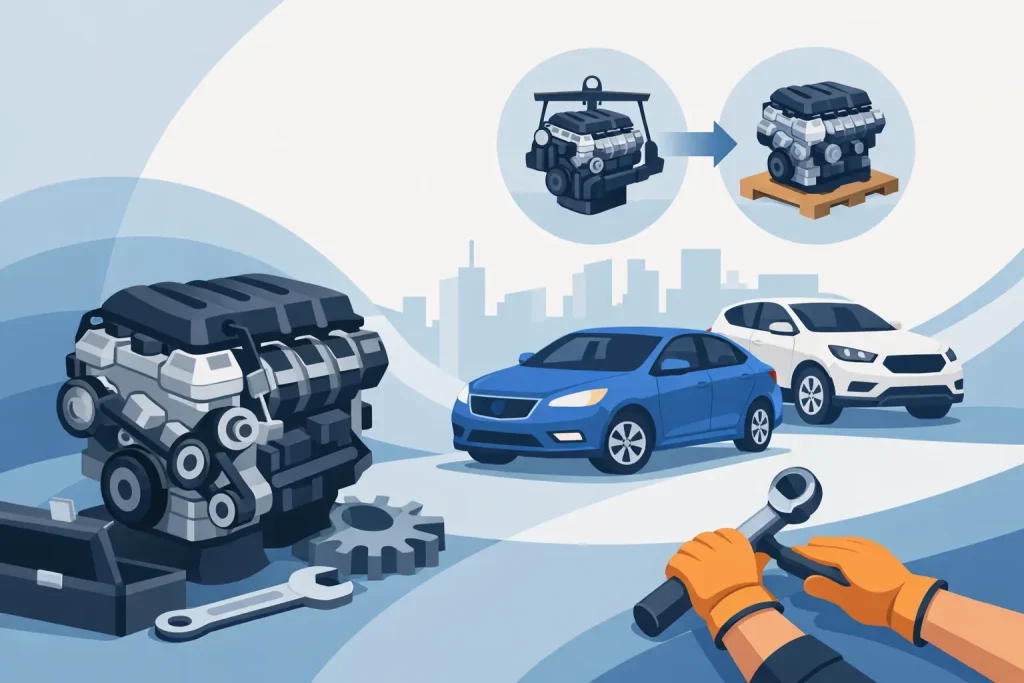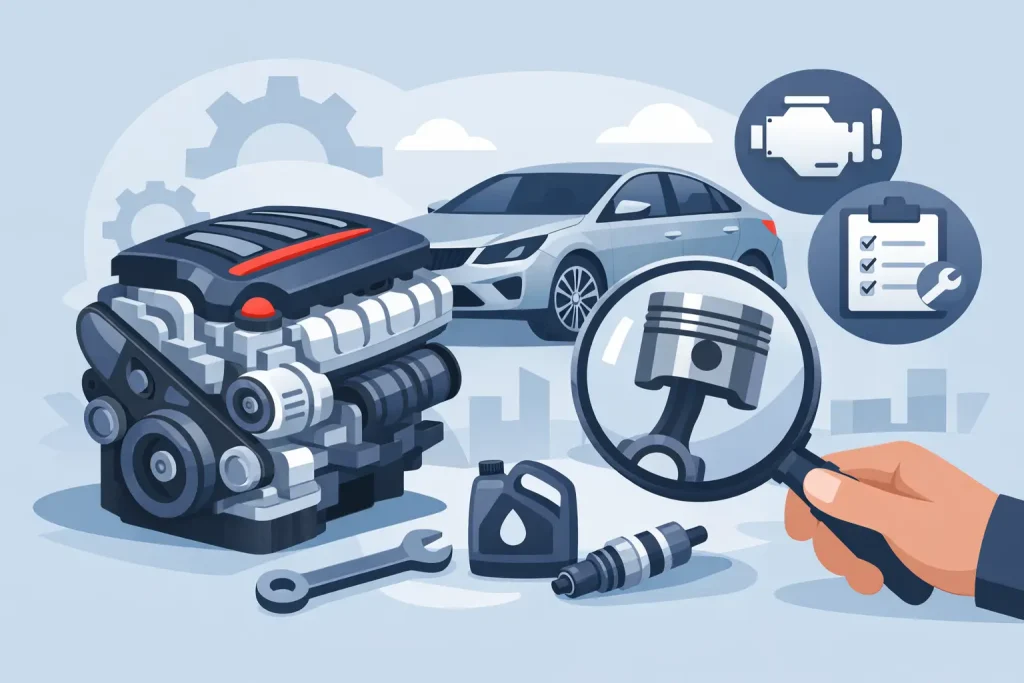
An engine failure in a Kia rarely arrives at a convenient time. One day the car is making a knock, burning oil or showing timing trouble, and the next you are trying to work out whether a used Kia engine for sale is a smart fix or a costly gamble.
For many owners, a used engine can be the right move. It can get the vehicle back on the road faster than a full rebuild and often at a lower upfront cost than buying new. But the result depends on what engine you buy, who supplies it, how well it has been checked and whether it is the correct match for your exact model.
When a used Kia engine for sale makes sense
A used replacement engine is usually considered when the original motor has suffered major internal damage. That might be bearing failure, a cracked block, severe overheating, timing chain damage, low compression across multiple cylinders or oil starvation. In these cases, patch repairs often stop making financial sense.
A used engine can also suit owners who need a practical solution for an older Kia where the rest of the vehicle is still in good shape. If the body, transmission and interior are worth keeping, replacing the engine may be more sensible than replacing the whole car.
That said, used is not always the cheapest option in the long run. If the replacement engine has unknown history, poor compression or hidden sludge issues, the apparent saving disappears quickly. This is where workshop experience matters. An engine is not just a part number on a shelf. It needs to be assessed properly, prepared properly and matched properly.
Not all used engines are equal
The phrase used engine can mean very different things. Some are pulled from accident-damaged vehicles with reasonable kilometres and decent service history. Others come from vehicles with unknown maintenance, partial dismantling or unresolved faults. From the outside, both can look acceptable.
A clean rocker cover does not tell you much. What matters is internal condition, compatibility and whether the supplier has actually tested anything. A proper supplier should be able to explain what checks were done, whether the engine was run or compression tested, what ancillaries are included and what warranty support applies.
For Kia models, these details matter because common engine issues are not always visible during a quick inspection. Some petrol engines can suffer oil consumption or bearing wear. Some diesel engines can have injector, turbo or timing-related problems that affect the replacement process. Buying on price alone is where many owners come unstuck.
What to check before buying
Exact engine code and vehicle match
This is the first filter, not the last. Kia engines can vary by year, series, fuel type, emissions setup and sensor configuration. A Carnival, Cerato, Sportage, Optima or Sorento may look straightforward on paper, but small differences in engine code or loom compatibility can create headaches during installation.
Always confirm the exact engine code, build date range and whether the replacement is a direct fit for your vehicle. If you are unsure, a specialist workshop can verify this before money changes hands.
Kilometres and source history
Low kilometres are helpful, but they are not the whole story. An engine with moderate kilometres and consistent servicing is often a better bet than a lower-kilometre engine with poor maintenance or long periods sitting idle.
Ask where the engine came from, whether it was imported or locally sourced, and what is known about the donor vehicle. A vague answer is usually not a great sign.
Compression, leak and internal condition
A tested engine is worth more than an untested promise. Compression test results, oil condition, evidence of overheating and signs of sludge or metal contamination all matter. If the sump or rocker cover has been inspected, that can provide a clearer picture of internal health.
No used engine comes with the certainty of a brand-new unit, but proper testing helps reduce the risk.
Warranty terms
A warranty only helps if it is clear and realistic. Check how long the cover lasts, what it includes and what installation conditions apply. Some suppliers will only honour warranty if the engine is fitted by a licensed workshop and supported by evidence of new fluids, filters and related service items.
That is not unreasonable. It protects the engine from being damaged by poor installation or old contaminated components.
The real cost is not just the engine
When people compare prices, they often focus only on the engine itself. The problem is that engine replacement involves much more than the long motor. Labour, gaskets, seals, fluids, belts or chains, water pumps, thermostats, mounts and intake or cooling system cleaning all affect the final invoice.
Sometimes it is wise to replace known wear items while the engine is out. This adds cost upfront but can save a second major labour bill later. If the replacement engine is being fitted into a family car or work van that needs to be dependable, cutting corners here is usually false economy.
This is also why supply-and-fit is often the safer path. When the same specialist workshop sources, checks and installs the engine, there is less finger-pointing if something needs attention afterwards. You get one clear process rather than separate sellers blaming each other.
Common mistakes buyers make
Buying only on price
A very cheap used Kia engine for sale may be cheap for a reason. Unknown condition, incomplete assembly, poor storage or incompatible parts can all sit behind a low advertised number. Once transport, missing components and extra labour are added, the bargain often disappears.
Assuming all included parts are usable
Alternators, starter motors, injectors, turbos, manifolds and sensors may be attached to a used engine, but that does not automatically mean they are covered, tested or suitable for reuse. In many cases, these parts are transferred from your original engine after inspection.
Ignoring the cause of the original failure
If the original engine failed due to cooling system issues, oil supply problems or contamination, those causes need to be fixed before the replacement goes in. Otherwise the next engine can suffer the same fate.
Choosing a generalist over a specialist
Kia and Hyundai engines have their own patterns of failure, fitment quirks and model-specific issues. A workshop that handles these engines every day is more likely to spot compatibility problems early and recommend the right path, whether that is replacement, rebuild or further diagnosis.
Used engine or rebuilt engine?
This depends on the vehicle, the fault and your budget. A used engine can be the quicker option when a good tested unit is available and the vehicle needs to be back on the road promptly. This is often attractive for daily drivers, tradie vans and fleet vehicles where downtime costs money.
A rebuilt engine can make more sense when the original unit is rebuildable, the vehicle is worth keeping long term and the owner wants more control over internal condition. Reconditioning allows worn or failed components to be measured, machined and replaced rather than accepted as-is.
Neither option is automatically better. It depends on engine availability, the extent of damage, turnaround time and the overall value of the vehicle. Clear advice matters here. A good workshop should explain the trade-offs plainly rather than pushing one option regardless of your situation.
Why specialist inspection matters
With Korean vehicles, detail matters. The right replacement is not just about fitting into the engine bay. It has to work with your vehicle’s electronics, fuel system, emissions components and existing drivetrain setup. Even where the base engine is similar, the wrong variant can create delays and extra labour.
That is why many owners across Melbourne and Victoria choose specialist support rather than trying to source an engine blind. A workshop focused on Hyundai and Kia vehicles can usually identify likely issues earlier, inspect related systems properly and reduce the risk of buying the wrong engine. For a major repair, that experience is worth having.
A practical way to buy with less risk
If you are looking at a used Kia engine for sale, start with diagnosis, not shopping. Confirm what actually failed. Confirm whether the engine is the best answer. Then confirm the exact replacement required.
From there, ask direct questions about testing, warranty, kilometres, fitment and installation requirements. Straight answers matter more than sales talk. If the seller cannot explain the engine properly, move on.
For many Kia owners, the best outcome comes from buying through a workshop that can inspect the vehicle, source the correct engine and fit it under one roof. That keeps the process simpler and gives you a clearer line of support if anything needs attention after installation.
When the engine has failed, you do not need guesswork. You need the right motor, fitted properly, with honest advice behind it. That is what gets a Kia back to doing its job without turning one problem into two.
Frequently Asked Questions
What should I check when buying a used Kia engine?
Confirm the engine code matches your car, ask about mileage and history, and check whether it has been tested and what warranty is included. A reconditioned, tested engine is safer than an untested used unit.
Is a reconditioned engine better than a plain used engine?
Usually yes. A reconditioned engine has been inspected, machined where needed and tested, whereas a used engine is sold as-is. Ours come with a 12-month warranty.
How do I confirm a Kia engine will fit my car?
Match the engine code from your build plate or VIN. Send us your details and we will confirm compatibility before you buy.
Do your Kia engines come with a warranty?
Yes, a 12-month warranty and free Australia-wide shipping on every reconditioned Kia engine.